Research
Forest Carbon
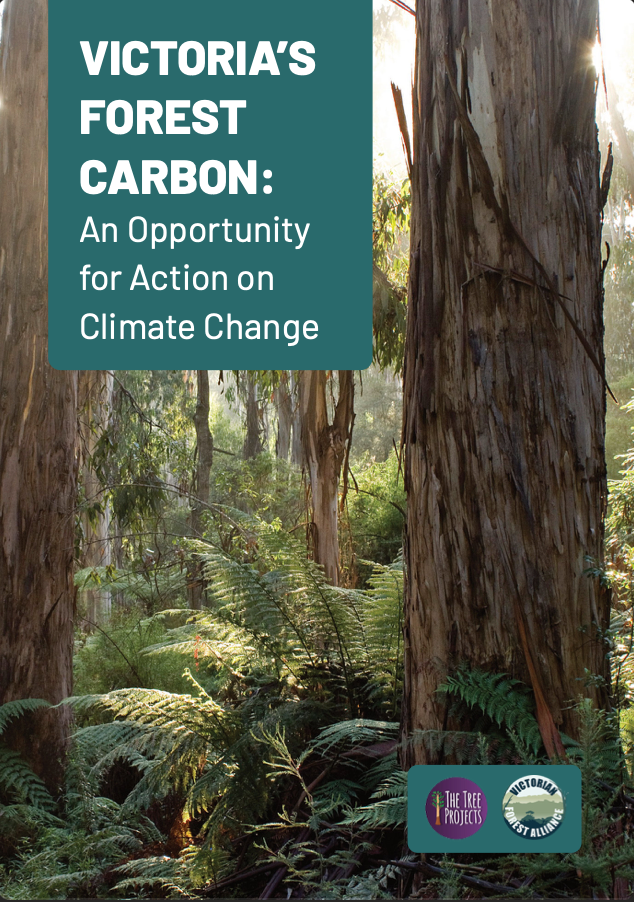
My main area of research has focused on understanding how much carbon is released when native forests are logged, and the findings are stark. Native forest logging is the highest emitting sector in Tasmania. I’ve also examined emissions in New South Wales and Victoria, and before logging ended in Victoria, these three states together were producing more than 11 million tonnes of carbon emissions each year. That’s more than Australia’s entire domestic aviation industry.
These emissions are too big to ignore. Logging native forests doesn’t just impact ecosystems, it significantly worsens climate change. The good news is that this is a problem with a clear solution. Ending native forest logging is one of the most immediate and effective ways to reduce emissions and protect the carbon stored in our forests.
Tasmania’s forest carbon: 2025 update
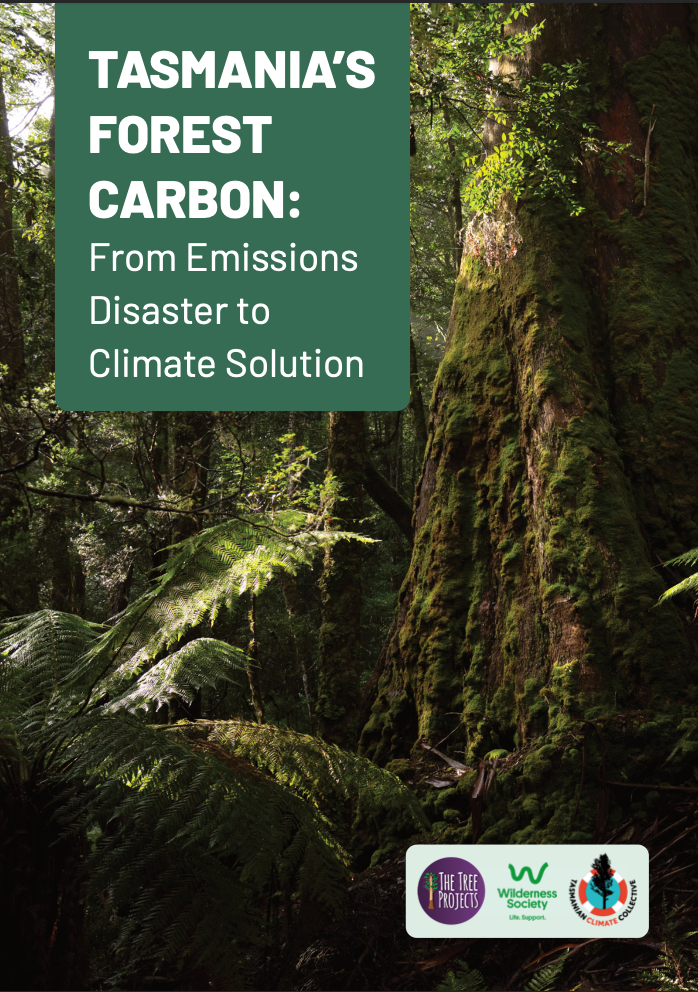
This report delivers a clear warning: native forest logging remains Tasmania’s biggest climate problem. The sector emits more than two and a half times the state’s entire transport emissions, and little has changed, with only a 5% drop in recent years. New threats are emerging, from biomass energy proposals that could drive more logging to questionable carbon offset schemes that risk prolonging the industry. The solution is simple and powerful: end native forest logging and unlock Tasmania’s potential to go beyond net zero and become truly carbon negative.
Public Cost, Private Gain
This report, co-authored by economist Andrew Bakonyi, cuts through the myth and lays out a stark reality: native forest logging in Tasmania is propped up by public money, not market demand. After decades and more than $1.25 billion in subsidies, the industry remains economically unviable, dominated by low-value woodchips rather than high-quality timber. Meanwhile, plantations are already meeting the state’s timber needs. Continuing to log native forests drains taxpayer funds, distorts markets, and destroys irreplaceable ecosystems. The evidence is clear. The native forest logging industry no longer stacks up economically, environmentally, or socially. Tasmania now stands at a critical turning point: end native forest logging and invest in a future that actually delivers.
hydrogen and e-fuels
This report challenges the hype around green hydrogen and e-fuels, revealing serious risks for Tasmania. While promoted as clean energy, these fuels are highly inefficient, as half the energy used to produce them is wasted. E-fuel plants in Tasmania also demand vast new renewable infrastructure. Of greatest concern, proposed projects rely on forest biomass, with not enough plantation supply to meet demand. This creates a real risk that native forests will be logged to fuel a so-called “green” industry. The result? Higher emissions, greater environmental damage, and prolonged forest loss. The smarter path is clear: prioritise efficient electrification and protect Tasmania’s forests.
Big tree state
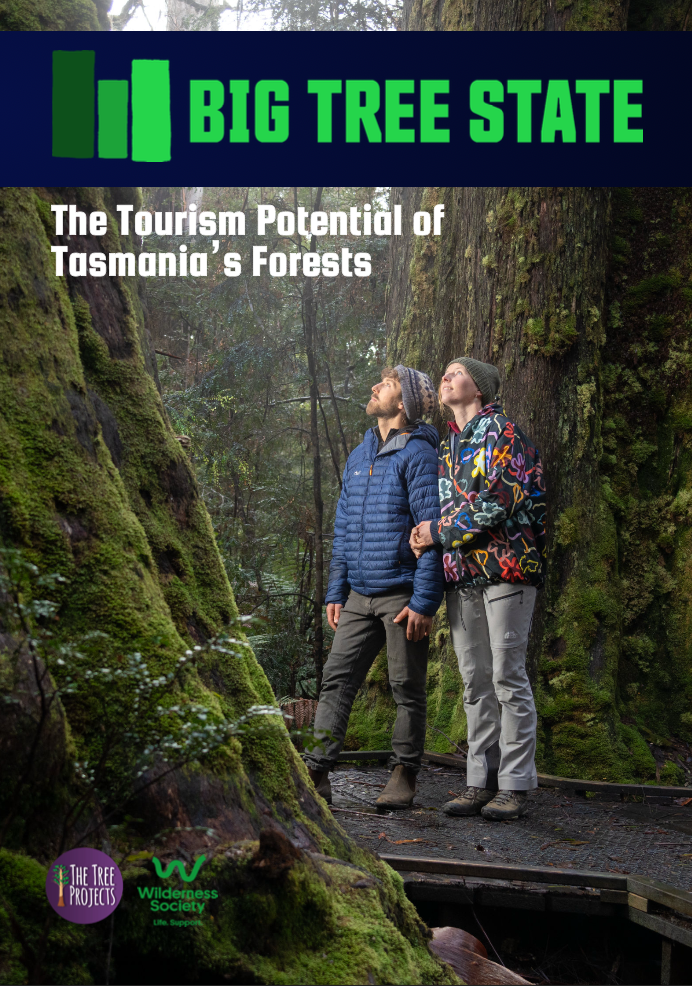
This report reveals a major missed opportunity: Tasmania’s giant trees could anchor a world-class tourism industry. While visitors come for nature, access to the state’s most extraordinary forests remains limited. This report proposes eight Big Tree sites in southern Tasmania that could attract 139,000 visitors annually, generate over $20 million for regional communities, and create more than 160 jobs: all for a modest investment. Instead of propping up a loss-making logging industry, Tasmania could protect its forests and unlock their true value. The choice is clear: stop cutting down the attraction, and start building an economy around it.
Vanishing wildlife
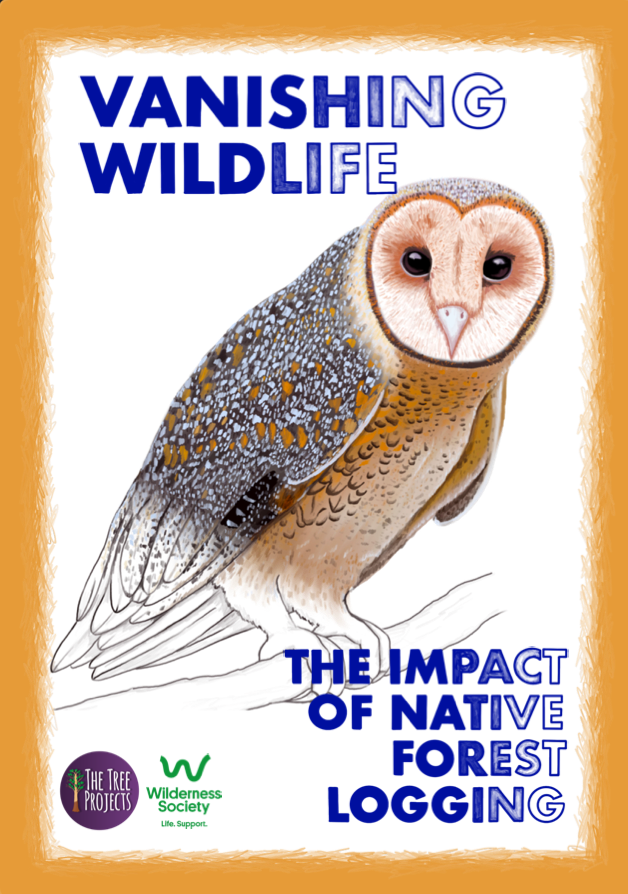
This report exposes the devastating toll of native forest logging on Tasmania’s wildlife. Each year, over 300,000 animals are killed or displaced as critical habitat is destroyed, burned, or fragmented. Ancient hollow-bearing trees, which are essential for nesting and shelter, are lost in minutes, despite taking centuries to form. What remains are small, degraded forest patches that cannot sustain healthy populations. Weak laws fail to protect even threatened species, while common species are largely ignored. As climate change intensifies, these pressures will only worsen. Ending native forest logging is essential to give Tasmania’s wildlife a genuine chance to survive and recover.
A future vision for tasmania’s forests
This report lays out a clear path forward at a critical moment for Tasmania. As other states move beyond native forest logging, continuing business as usual risks deepening the climate and biodiversity crises. The science is unequivocal: protecting forests delivers the best outcomes for emissions, wildlife, and communities. It also exposes the failure of carbon and biodiversity offsets, which delay real action while enabling continued destruction. Instead, the report calls for an immediate end to native forest logging, paired with Indigenous-led restoration and investment in regional jobs. The opportunity is here to shift from extraction to regeneration and secure a safer future for Tasmania’s forests and communities.
on the edge of extinction
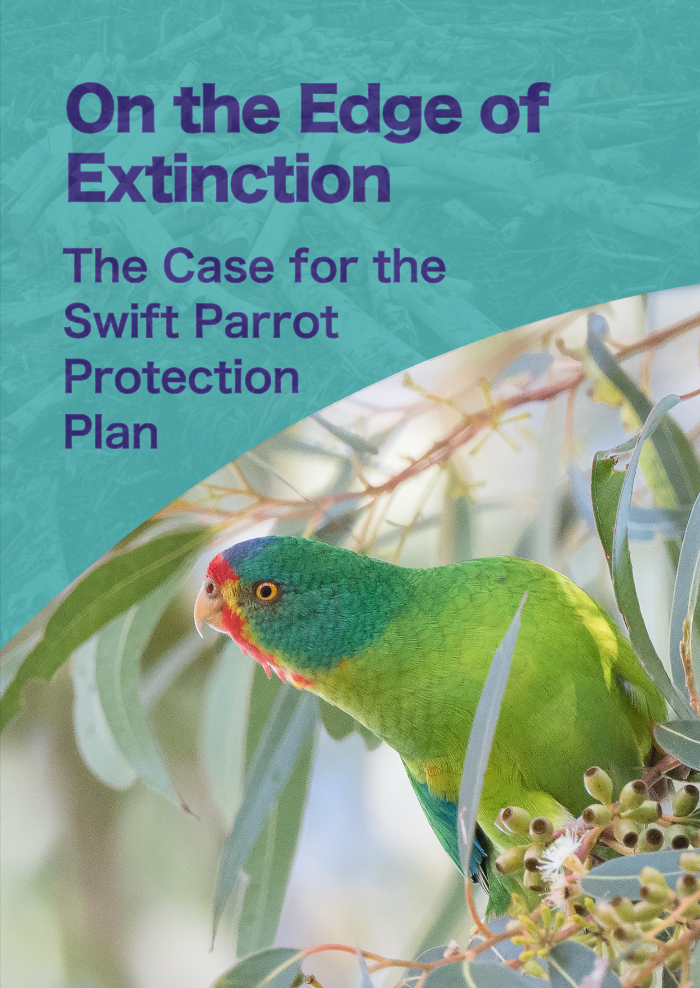
This report delivers an urgent warning: the critically endangered Swift Parrot is on the brink of extinction, with just 750 individuals left. Ongoing logging of its breeding habitat remains the primary threat, driven by weak and poorly enforced government policies. New measures risk making things worse, protecting far less habitat than claimed. The report sets out a clear, science-backed solution, the Swift Parrot Protection Plan, which would preserve critical habitat by protecting just 7% of public forests. The message is clear: act now, or lose this species forever.